Skip to content
News
High-Severity Fires Are Natural and Vital for Montana’s Forests
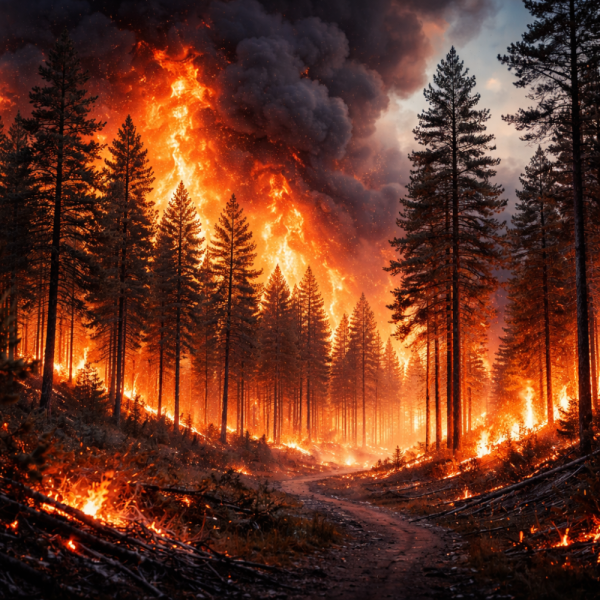
Research shows 85% of western forests naturally endure high-intensity wildfires.
Richard Hutto, a former University of Montana professor and ecologist, challenges the U.S. Forest Service narrative that only low-intensity fires benefit forest health and that logging is necessary to reduce wildfire risk. His research argues that mixed- to high-severity fires are natural and essential for most western conifer ecosystems.
Using data from the Land Fire database, Hutto highlights that 85% of western conifer forests historically experience mixed- to high-severity fires, while only 15%, mostly in Arizona and New Mexico, undergo low-severity burns. He points to species such as black-backed woodpeckers and morel mushrooms that depend on habitats created by severe fires—habitats not replicated by logging or thinning. Despite this, Forest Service officials maintain that suppressing high-intensity fires and promoting logging are vital for forest protection. Hutto’s book, published last year, further examines these ecological dynamics.
While no immediate policy shifts are announced, Hutto’s recent public talks support maintaining protections like the Roadless Rule, recently challenged by federal proposals.
Montana’s vast forest landscapes might be affected by these competing views on fire management. If high-severity fires are indeed a natural and beneficial force, as Hutto contends, then forest management strategies in Montana might warrant reconsideration to avoid undermining ecosystem resilience. The balance between wildfire risk and forest health may remain an important issue for Montana’s forestry and business communities.
UM ecologist: Western forests need high-severity fire
By The Missoula Current News – Daily News in Missoula Montana