Skip to content
News
This high-tech airship from the LifeStraw inventor could be the future of wildfire detection
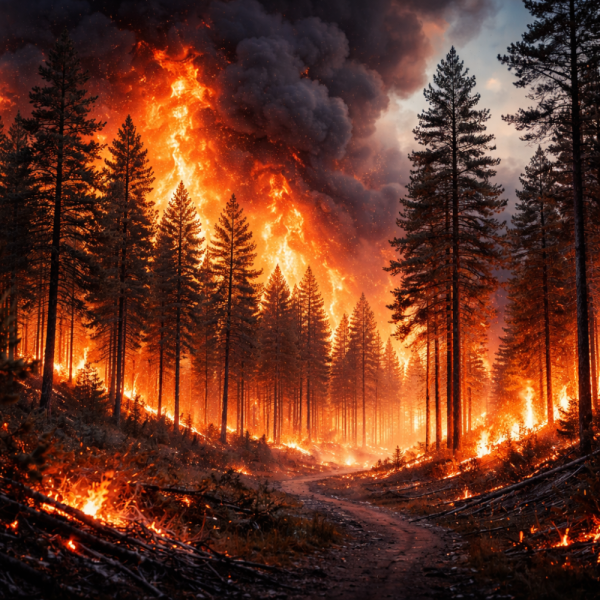
HAPS sit at the stratosphere level, 12 miles above Earth—at least 20 times closer than LEOs. They can continuously track and image wildfires across tens of thousands of square feet then communicate alerts to ground services without losing connectivity as satellites often do. Because they can remain static for months on end and run on solar energy stored by night in large-capacity lithium-sulfur batteries, they can monitor constantly without interruption.
Their proximity means HAPS can see more granular detail, including small ignitions and signs of impending fires before they even start. “We can see what nobody else can see and connect with speeds and capacities that nobody else can,” Frandsen says. “The advantages of offering space-like conditions, without the cost of going to space, is just enormous.”
BY Talib Visram
Stanford study finds surprising upside of prescribed burns…duh…..
In a study published in the journal Science on June 11, Stanford University researchers found that intentionally burning 500,000 acres of conifer forests in California every year could reduce wildfire smoke pollution overall by about 10% over a decade.