Skip to content
News
Rising Obesity Trends Pose Growing Health and Economic Stakes for Montana
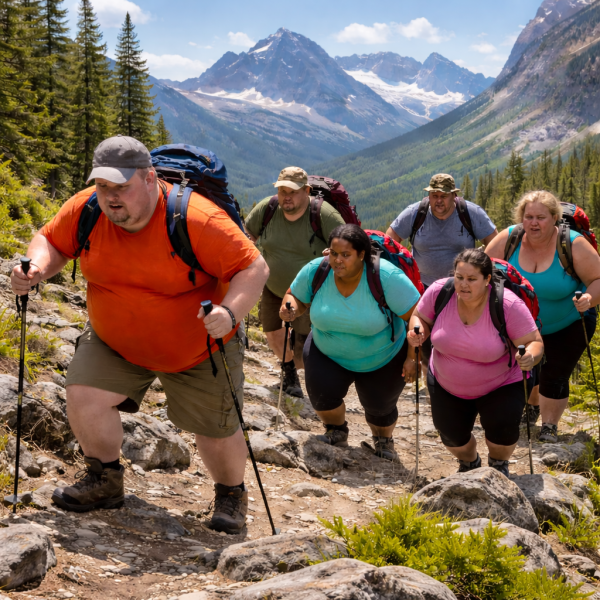
A new national study published in the medical journal JAMA projects that obesity rates could climb to nearly half of all U.S. adults by 2035 if current trends continue. Researchers analyzed federal health survey data and found that obesity has risen sharply over the past three decades, increasing from about one fifth of adults in 1990 to nearly 43% in 2022.
While the highest rates have been concentrated in the Midwest and South, the findings matter deeply for Montana, where rural access to health care, higher rates of chronic disease, and an aging population could magnify the impacts. If obesity continues to rise, Montana families, employers, hospitals, and taxpayers could face higher health care costs, increased strain on clinics and hospitals, and reduced workforce productivity, particularly in communities that already struggle with limited medical resources.
For Montana, the long term implications extend beyond health care into the state economy and education system. Higher obesity rates are closely tied to diabetes, heart disease, and joint problems, conditions that drive up Medicaid spending and private insurance costs, which can ripple through the state budget and local economies.
Schools may also feel the effects, as childhood and adolescent obesity trends often mirror adult patterns, increasing demands for school based health services and nutrition programs while affecting student attendance and academic performance. As federal nutrition guidelines shift and demand grows for weight loss treatments, Montana policymakers, educators, and health leaders will face pressure to balance prevention, access to care, and workforce readiness to protect the well being and economic stability of communities across the state.
In the next decade, states will see a surge in obesity