Skip to content
News
Is Your Doctor Real or Is It Memorex? – AI Primary Care Is Expanding Nationwide and Montana’s Health System Is Likely Next
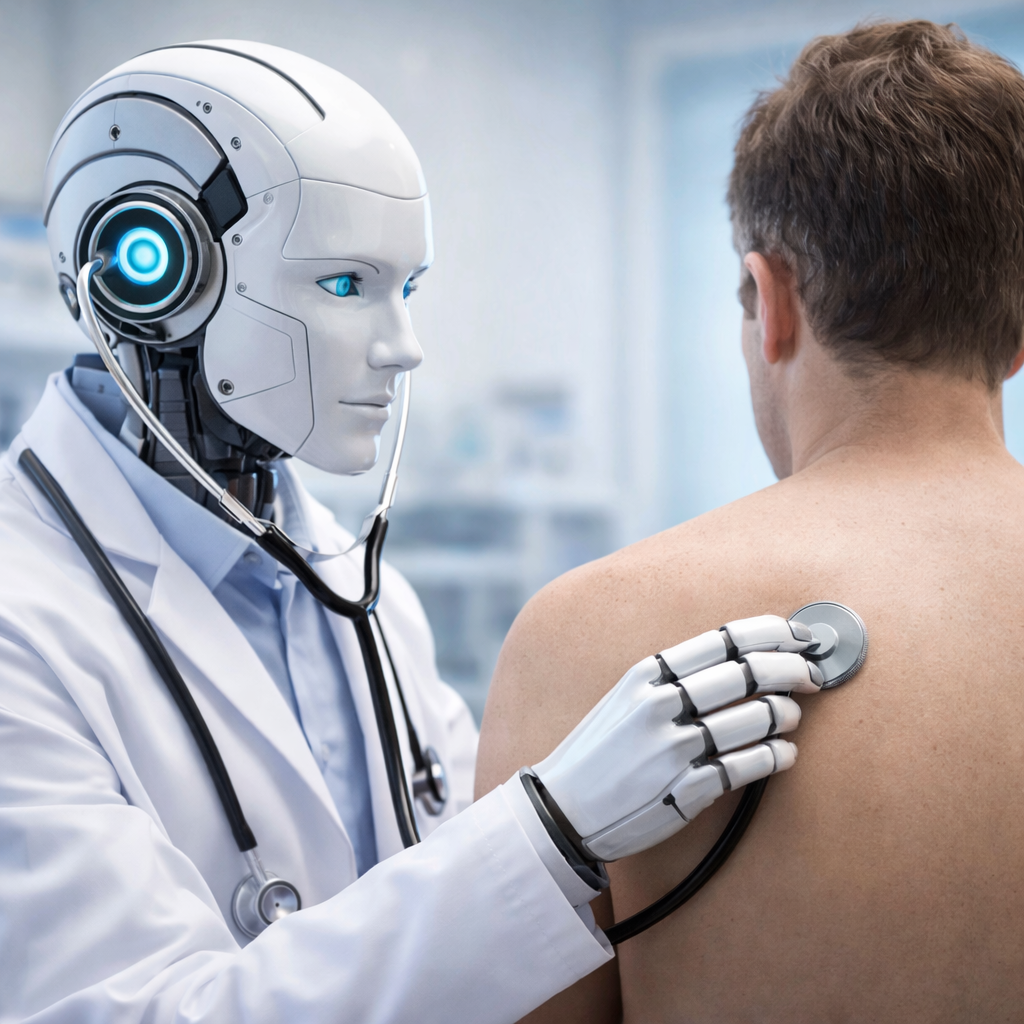
Across the United States, shortages of primary care physicians are pushing large hospital systems to experiment with AI supported virtual care, and Montana could soon feel the effects as these models grow. Programs like Mass General Brigham’s Care Connect allow patients to access doctors online with the help of AI tools that collect symptoms, summarize concerns, and route cases to remote physicians.
For patients who cannot find an in person doctor, the appeal is immediate access, medication refills, and follow up care without long waits. In Montana, where rural communities already face long travel distances and limited provider availability, similar programs could expand access for citizens who currently rely on emergency rooms or delay care altogether.
For Montana physicians and hospitals, the growth of AI supported primary care presents both opportunity and pressure. Hospitals could use these tools to reduce overcrowding in emergency departments, extend services into remote areas, and ease administrative burdens that contribute to burnout.
At the same time, physicians may worry that heavy investment in AI could divert funding away from recruiting and retaining in state doctors, particularly in family medicine and internal medicine. Montana’s smaller hospitals and critical access facilities could face new competition if national systems offer 24 hour virtual care that draws patients away from local clinics, reshaping referral patterns and revenue streams.
For Montana citizens, the long term impact will depend on how these programs are integrated. AI supported care could provide faster help for common illnesses, chronic disease management, and mental health concerns, especially for working families and older residents with mobility challenges.
However, many patients with complex conditions will still need consistent, in person relationships with doctors who understand their history, finances, and family circumstances. As AI based primary care grows, Montana policymakers, hospitals, and medical providers will need to balance innovation with investment in local health care workforces, ensuring technology fills gaps without weakening the human connections that remain essential to quality care.