Skip to content
News
How Will Ending Reservation Requirements at Some of Our National Parks Like Glacier Impact Montana?
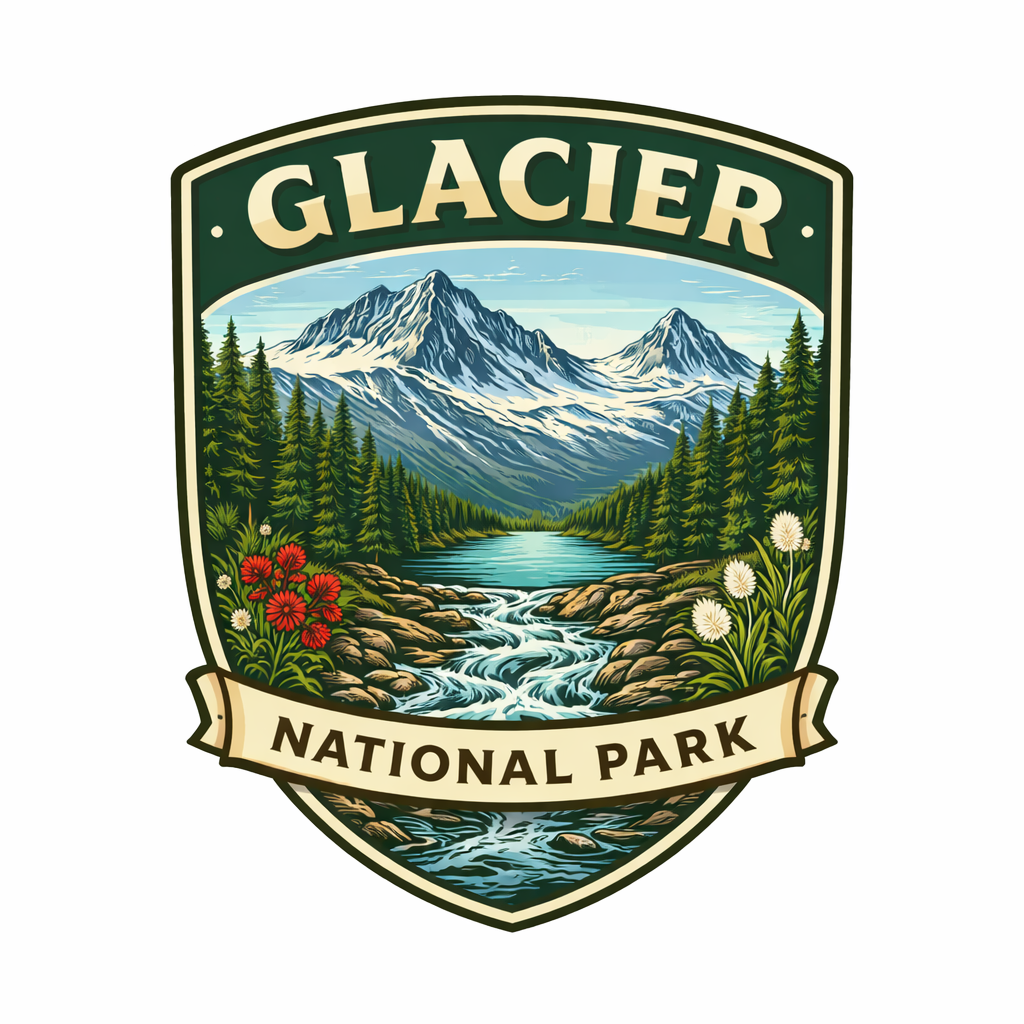
The Interior Department will end vehicle reservation requirements at Glacier, Arches, and Yosemite national parks in summer 2026.
This structural shift replaces a five-year-old system designed to manage congestion with new strategies such as shuttle services and parking time limits, signaling a significant change in how visitor access is regulated at some of the nation’s busiest parks.
At Glacier National Park, the reservation system will be replaced by an express shuttle system and a three-hour parking limit at Logan Pass, effective July 1, 2026, pending snow clearance. This move follows five years of data collection on the system’s effectiveness, though details on shuttle routes and parking enforcement remain unspecified. The National Parks Conservation Association criticized the elimination of reservation systems at Yosemite and Arches, and expressed concerns about Glacier’s new approach. Local tourism leaders offered mixed reactions: Diane Medler praised the data-driven evaluation, while Zak Anderson highlighted ongoing capacity challenges. In contrast, Rocky Mountain National Park will maintain its timed entry reservations through mid-October 2026.
Parks will increase seasonal staffing and may apply short-term traffic controls when visitor capacity is reached.
Montana businesses and communities near Glacier could face shifts in visitor flow and parking dynamics under the new system. The reliance on shuttle tickets and parking time limits might affect local tourism patterns, especially given Montana’s rugged terrain and dispersed population, which influence transportation and access preferences in ways distinct from more urbanized markets.