Skip to content
News
How federal micromanagement by its “Leaders” is undermining Montana’s prairie revival by The American Prairie Reserve
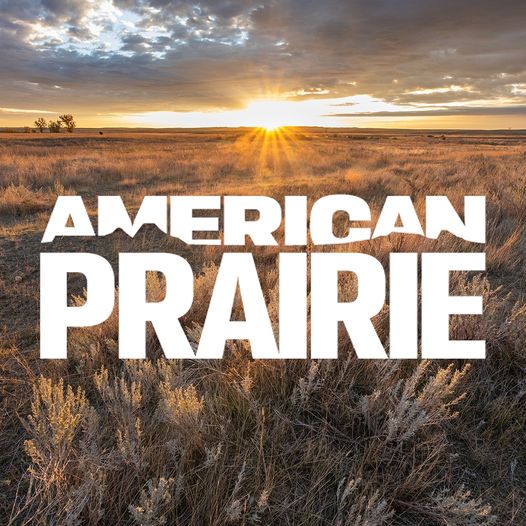
The Trump administration’s reversal on bison grazing in Montana’s BLM high plains is a textbook case of federal micromanagement getting in the way of conservation, local choice and common sense. A visionary effort to restore a vast, functioning prairie ecosystem is being tripped up not by science or law, but by semantic hair-splitting and political pressure.
For two decades, American Prairie, a nonprofit, has quietly pursued a bold goal: re-creating a 5,000-square-mile prairie reserve in eastern Montana, one-and-a-half times the size of Yellowstone. The idea is not a fenced-off park for tourists, but a living landscape where a free-ranging herd of 5,000 bison can coexist with elk, pronghorn, sage grouse, prairie dogs, and eventually even large predators. The group has pieced together this reserve the hard way—by buying land from willing sellers and partnering with ranchers who agree, for a price, to adopt wildlife-friendly practices.
By Benjamin Alva Polley EBS COLUMNIST